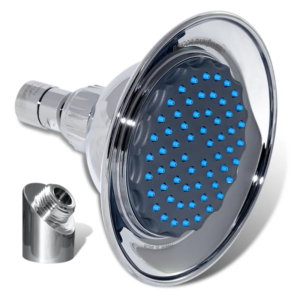
What Is a Low Flow Faucet Aerator?
A low flow faucet aerator might look like a tiny, almost insignificant device screwed onto the tip of your faucet, but don’t let its size fool you—it plays a massive role in water conservation. Essentially, it mixes air with water, creating a steady and splash-free stream while reducing the overall water flow. This simple mechanism can drastically reduce water usage without making you feel like you’re sacrificing performance. According to research, aerators can reduce water consumption by up to 42% compared to non-aerated faucets , which is pretty impressive for something so small.
Think of it like turning your faucet into a “smart tap.” Instead of letting water gush out uncontrollably, the aerator regulates it, shaping the stream into something efficient yet effective. You still get the same hand-washing or face-cleaning experience, but you’re using far less water in the process. That’s a win-win situation—less waste and lower utility bills.
In modern homes, especially where sustainability is becoming a priority, bathroom faucet aerators are no longer optional—they’re essential. Whether you’re upgrading your bathroom or simply trying to cut down on water usage, installing a low flow aerator is one of the easiest and most affordable steps you can take.
What Is a Low Flow Shower Head?
A low flow shower head is designed to limit the amount of water flowing through it while still providing a satisfying shower experience. Traditionally, shower heads used around 2.5 gallons per minute (GPM), but low-flow versions reduce that to 2.0 GPM or even less, without compromising comfort . Some advanced models go even further, using as little as 0.5–1.25 GPM, thanks to innovative technologies.
Imagine taking a shower where the water feels just as strong and refreshing, but you’re actually using half the water. Sounds almost too good to be true, right? That’s exactly what modern low flow shower heads deliver. They achieve this by either aerating the water (mixing it with air) or increasing the pressure through specialized internal mechanisms.
Low flow shower heads are particularly valuable in households with high water consumption. Showers account for a significant portion of daily water usage, so even a small reduction in flow rate can lead to massive savings over time. And the best part? You won’t even notice the difference—except when your water bill arrives.
Why Water Efficiency Matters in Modern Homes
Global Water Consumption Trends
Water is one of those resources we often take for granted—until it becomes scarce. Globally, billions of gallons of water are consumed every day, and a large portion of that is wasted due to inefficient fixtures and habits. In fact, the U.S. alone uses about 340 billion gallons of water daily , highlighting just how critical conservation has become.
Now, imagine if every household switched to low-flow fixtures. The impact would be enormous. Studies suggest that widespread adoption of efficient shower heads could save enough water annually to fill over a million Olympic-sized swimming pools . That’s not just a statistic—it’s a wake-up call.
This growing awareness has led to stricter regulations and certifications like WaterSense, encouraging homeowners to adopt water-saving technologies. Brands like Bricor are at the forefront of this movement, offering solutions that combine efficiency with performance.
Household Water Usage Statistics
When you break down water usage in a typical home, the bathroom stands out as one of the biggest consumers. Showers alone account for around 18% of indoor water use , making them a prime target for conservation efforts.
Let’s put it into perspective. A standard shower uses about 20 gallons of water in just eight minutes. Switching to a low-flow shower head can reduce that significantly, saving thousands of gallons per year. Multiply that by the number of people in your household, and the savings quickly add up.
And it’s not just about water. Less water usage also means less energy required to heat it, leading to lower electricity or gas bills. So, when you install a low flow fixture, you’re not just saving water—you’re saving money and energy too.
How Faucet Aerators Work
Aeration Technology Explained
At the heart of every faucet aerator lies a simple yet ingenious concept: mixing air with water. This process breaks the water stream into multiple tiny droplets, creating a smooth and consistent flow. It also reduces splashing, which means less mess and more control over water usage .
The science behind it is fascinating. By introducing air into the water stream, the aerator increases velocity while reducing volume. This creates the illusion of high pressure, even though less water is actually being used. It’s like turning a thin stream into a powerful spray without increasing consumption.
This technology is particularly useful in areas with low water pressure. Instead of struggling with weak flow, the aerator enhances performance, making everyday tasks like washing hands or brushing teeth much more efficient.
Benefits of Bathroom Faucet Aerators
The benefits of using a bathroom faucet aerator go far beyond just saving water. First, there’s the obvious advantage of reduced utility bills. When you’re using less water, you’re also paying less for it. Over time, these savings can be substantial.
Second, aerators improve the overall user experience. They create a soft, steady stream that feels pleasant on the skin and minimizes splashing. No more water spraying everywhere when you turn on the tap.
Finally, they contribute to environmental sustainability. By reducing water consumption, you’re helping conserve a vital resource for future generations. It’s a small change that makes a big difference.
Introduction to Bricor Brand
Bricor’s Mission and Innovation
When it comes to water-saving technology, Bricor stands out as a pioneer. The brand is dedicated to preserving water resources while delivering high-performance products that don’t compromise on quality. Their mission is simple: make water conservation effortless and effective.
What sets Bricor apart is its commitment to innovation. Instead of just reducing flow rates, the company focuses on enhancing the user experience. This means you get powerful showers and efficient faucets without feeling like you’re sacrificing comfort.
Hotels and large organizations have even reported significant water savings after switching to Bricor products, proving that their technology works on a large scale .
Key Technologies Used by Bricor
Bricor uses advanced technologies like patented aeration and vacuum flow boosters to maximize efficiency. These systems compress and aerate water, creating a powerful stream even at ultra-low flow rates.
For example, their shower heads use a vacuum chamber that increases pressure, ensuring a strong and satisfying shower experience. This technology allows them to achieve flow rates as low as 0.5 GPM while maintaining performance .
Low Flow Faucet Aerator by Bricor
Features and Specifications
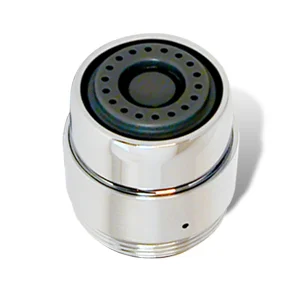
Bricor’s low flow faucet aerators are designed for both efficiency and durability. They typically offer flow rates as low as 0.375 to 0.75 GPM, making them some of the most water-efficient options available .
These aerators are made from high-quality materials like brass and ABS plastic, ensuring long-lasting performance. They’re also incredibly easy to install—no professional help required. Just screw them onto your faucet, and you’re good to go.
Performance and Water Savings
Despite their low flow rates, Bricor aerators deliver a solid and consistent stream. Thanks to their advanced design, you won’t feel like you’re using less water. In fact, many users report improved performance compared to traditional faucets.
Over time, the savings add up. By reducing water usage in your bathroom, you can significantly lower your utility bills while contributing to environmental conservation.
Low-Flow Shower Heads Explained
Standard vs. Low-Flow Shower Heads
| Feature | Standard Shower Head | Low Flow Shower Head |
|---|---|---|
| Flow Rate | 2.5 GPM | 0.5–2.0 GPM |
| Water Usage | High | Low |
| Efficiency | Low | High |
| Cost Savings | Minimal | Significant |
The difference between standard and low-flow shower heads is not just about water usage—it’s about efficiency. Low-flow models are designed to deliver the same experience with less water, making them a smarter choice for modern homes.
Hand-Held Low-Flow Shower Head Benefits
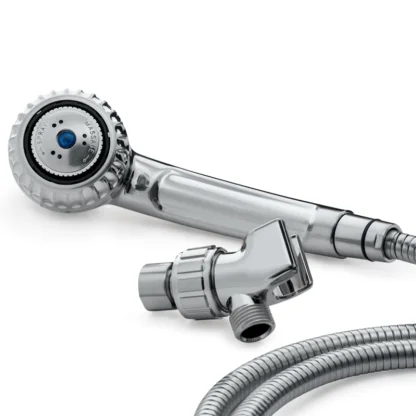
A hand held low flow shower head adds another layer of convenience. It allows you to direct water exactly where you need it, making tasks like rinsing hair or cleaning the shower much easier.
These shower heads are especially useful for families, as they provide flexibility and control. And when combined with low-flow technology, they offer the perfect balance of efficiency and functionality.
Bricor Elite Shower Head Range
UltraMax and EcoFit Models
Bricor’s elite shower head lineup includes models like UltraMax and EcoFit, each designed for maximum efficiency. The UltraMax, for instance, uses as little as 0.625 GPM, making it one of the most water-efficient options available .
Meanwhile, the EcoFit model offers a slightly higher flow rate of 1.25 GPM, providing a balance between performance and conservation .
Performance vs Water Usage Comparison
| Model | Flow Rate | Best For |
|---|---|---|
| UltraMax | 0.5–0.625 GPM | Maximum water savings |
| EcoFit | 1.25 GPM | Balanced performance |
| Standard | 2.5 GPM | High water usage |
Bathroom Shower Head Buying Guide
Factors to Consider Before Buying
Choosing the right bathroom shower head involves more than just picking a design you like. You need to consider flow rate, water pressure, installation type, and durability.
Low-flow options are ideal for those looking to save water and reduce bills. However, it’s important to choose a model that maintains good pressure, especially if you have long or thick hair.
Installation and Maintenance Tips
Installing a shower head is usually a simple DIY task. Most models come with easy-to-follow instructions, and you won’t need any special tools. Regular cleaning is also important to prevent mineral buildup and maintain performance.
Comparing Faucet Aerators vs Shower Heads
Which Saves More Water?
Both faucet aerators and shower heads play a crucial role in water conservation. However, shower heads typically offer greater savings because they account for a larger portion of household water usage.
That said, combining both solutions provides the best results. By upgrading your entire bathroom with low-flow fixtures, you can maximize efficiency and reduce your environmental impact.
Conclusion
Switching to low flow faucet aerators and low flow shower heads is one of the smartest decisions you can make for your home. Not only do these fixtures help conserve water, but they also reduce energy consumption and lower utility bills. Brands like Bricor have taken this concept to the next level, offering innovative products that deliver exceptional performance even at ultra-low flow rates.
The beauty of these solutions lies in their simplicity. You don’t need to overhaul your entire plumbing system or invest in expensive upgrades. A small change—like installing a new aerator or shower head—can have a significant impact over time.
If you’re looking to make your home more sustainable without sacrificing comfort, now is the perfect time to make the switch. Your wallet—and the planet—will thank you.
FAQs
1. Do low flow shower heads reduce water pressure?
No, modern low flow shower heads use advanced technology to maintain strong pressure while reducing water usage.
2. Are faucet aerators easy to install?
Yes, most aerators can be installed in seconds by simply screwing them onto the faucet.
3. How much water can I save with a low flow shower head?
You can save thousands of gallons annually, depending on usage and household size.
4. Are Bricor products durable?
Yes, Bricor products are made from high-quality materials like brass and are designed to last for years.
5. Can I use a hand held low flow shower head in any bathroom?
Absolutely, most models are compatible with standard plumbing systems and are easy to install.